Fhort Textile Tech
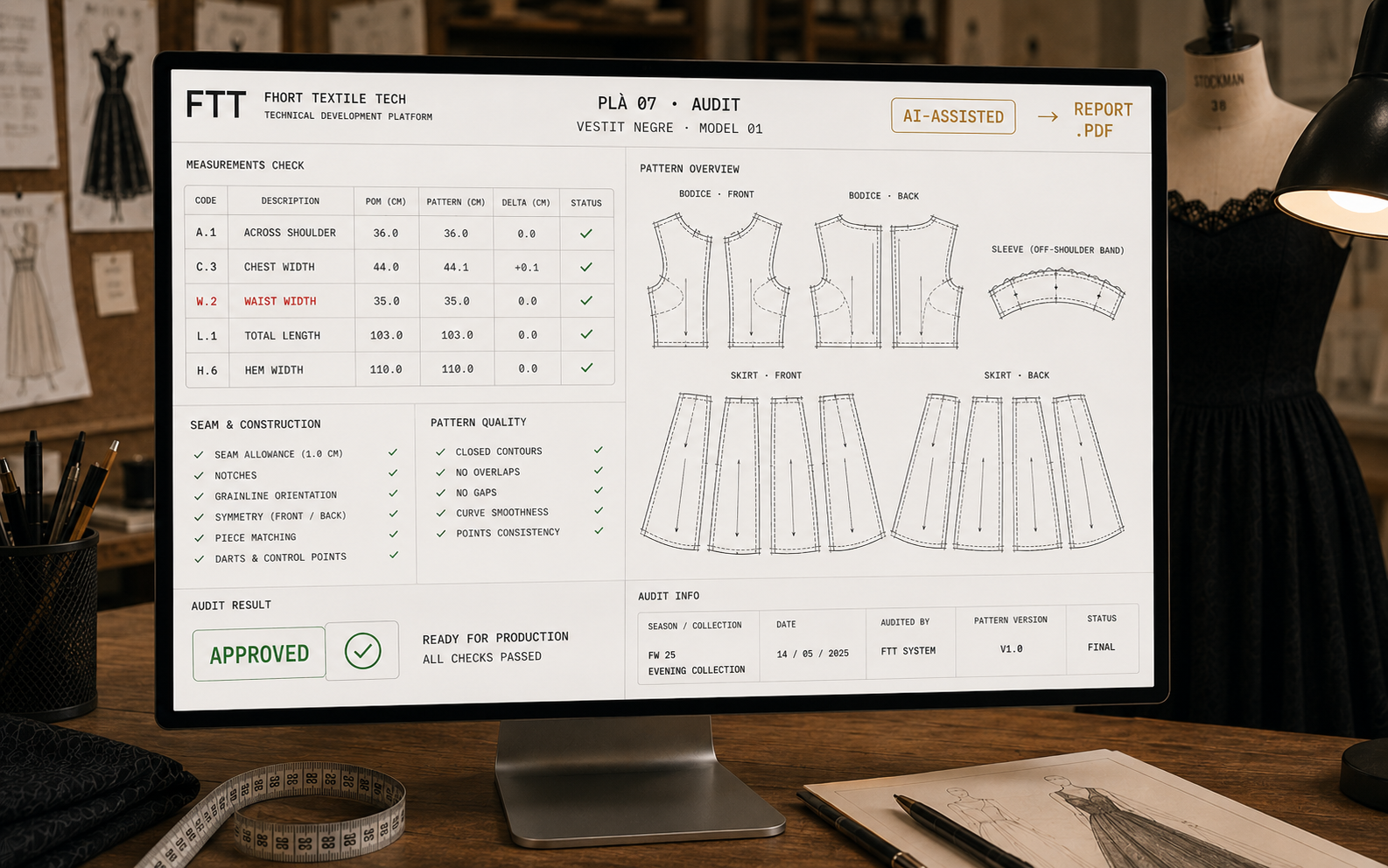
Every garment design that enters FTT comes out production-ready.
No magic — engineering, assisted by AI. Scroll to see how each stage transforms the next.
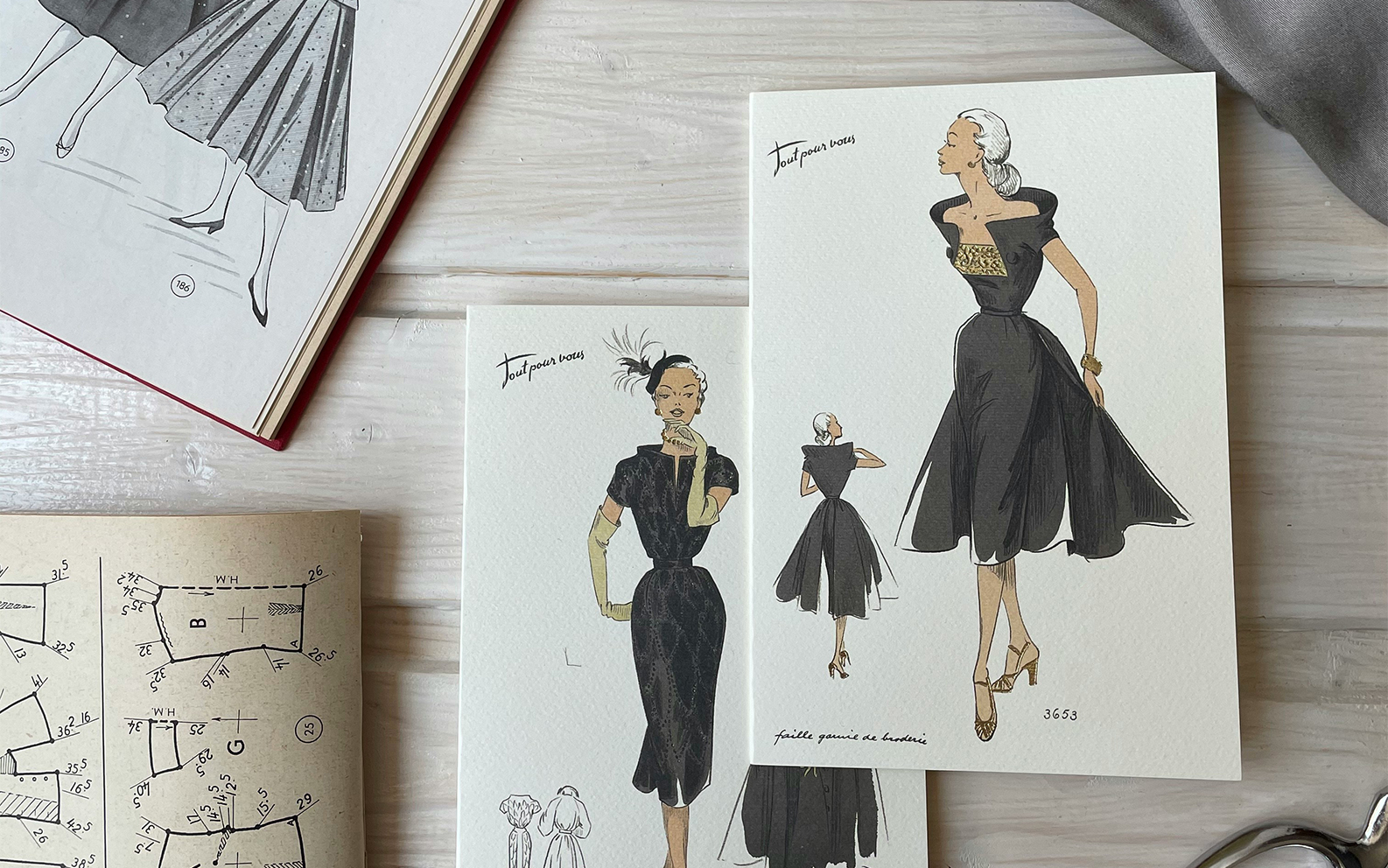
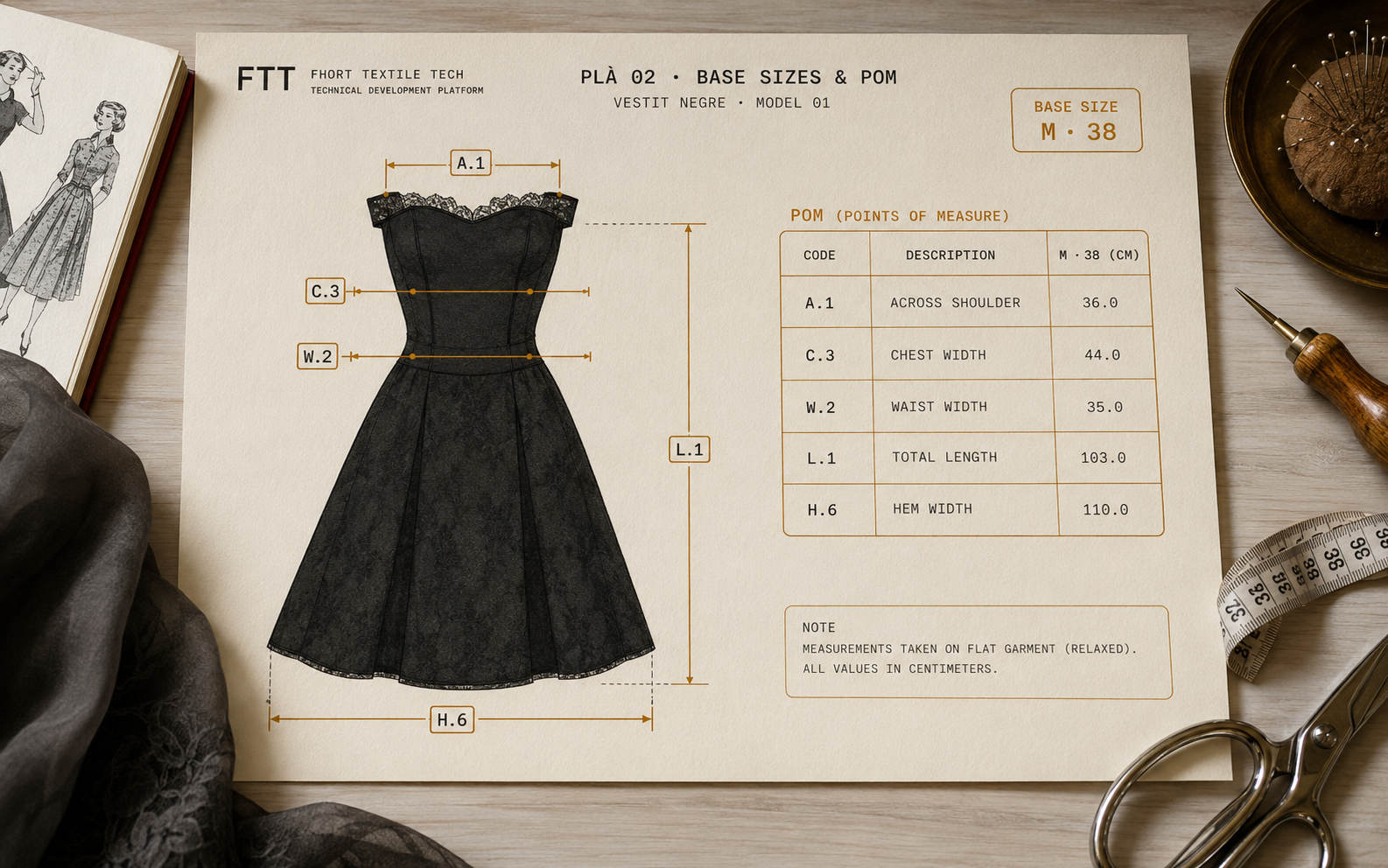
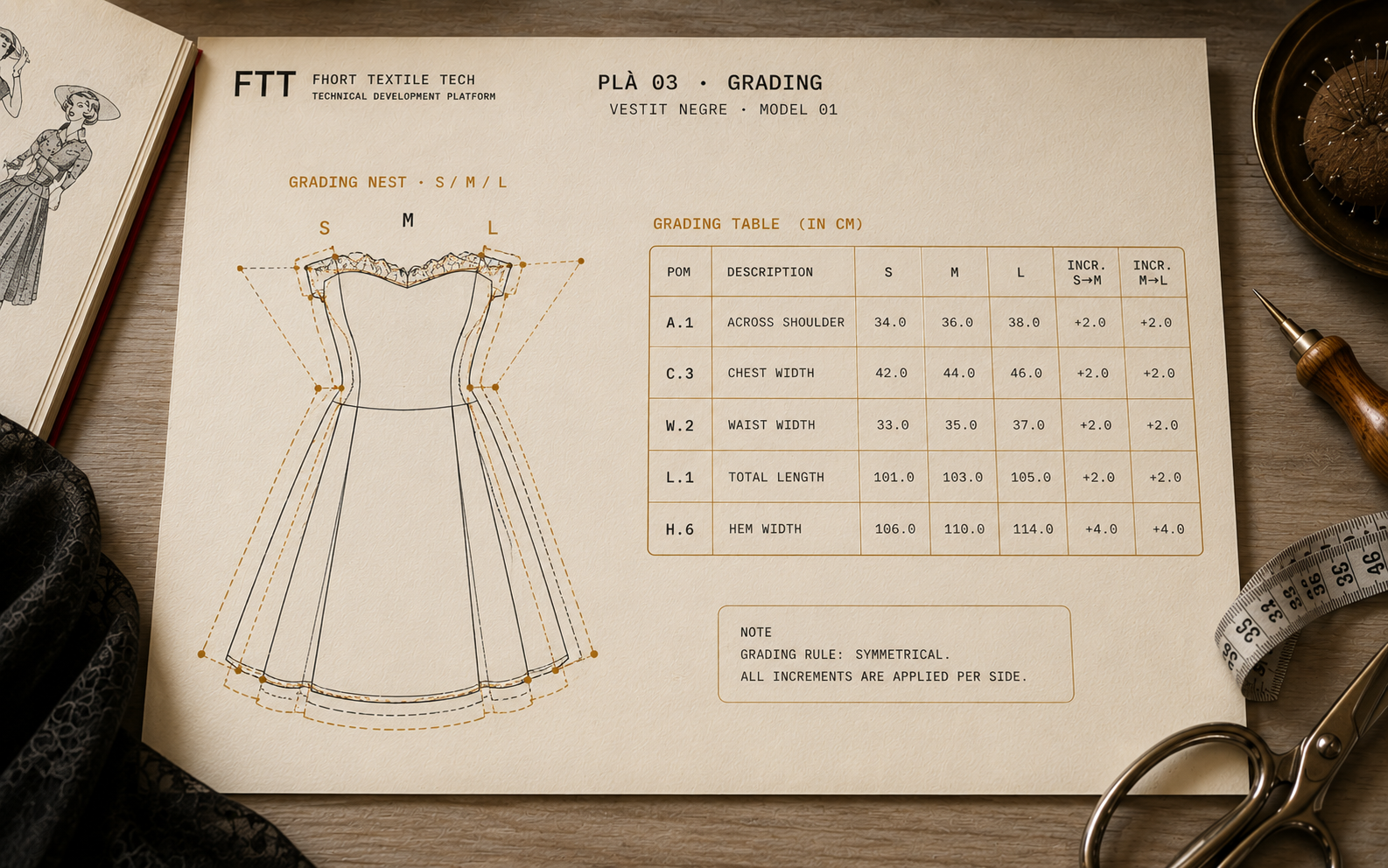
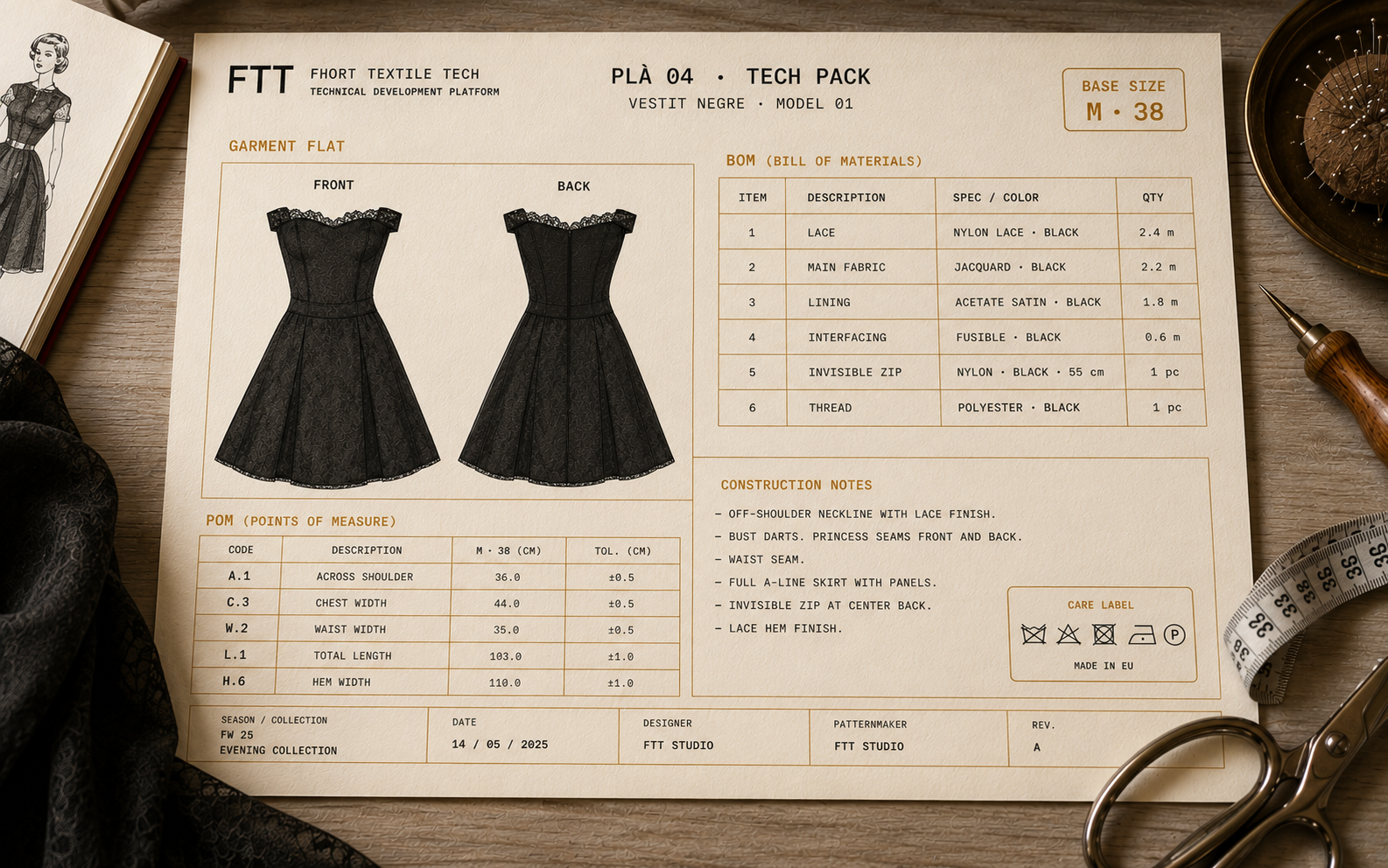
The engineering behind it
Engineering for Garment Development.
Transform every garment into an engineering model.
Stop managing disconnected technical documents.
Connect designs, patterns, measurements, fittings,grading rules and technical documentation into a single engineering model.
- Parametric
- AI Assisted
- Multi-User Collaboration
- Single Source of Truth
- Reduce Lead Time
- Production Ready
Our engineering knowledge, working for you — growing every day.
- 128,974 Patterns
- 1,429,168 Panels
- 3,916,546 Seams analyzed
Verified corpus · September 2026

The platform
Four ways in. One engineering model.
Who it’s for
Made for the whole technical office.
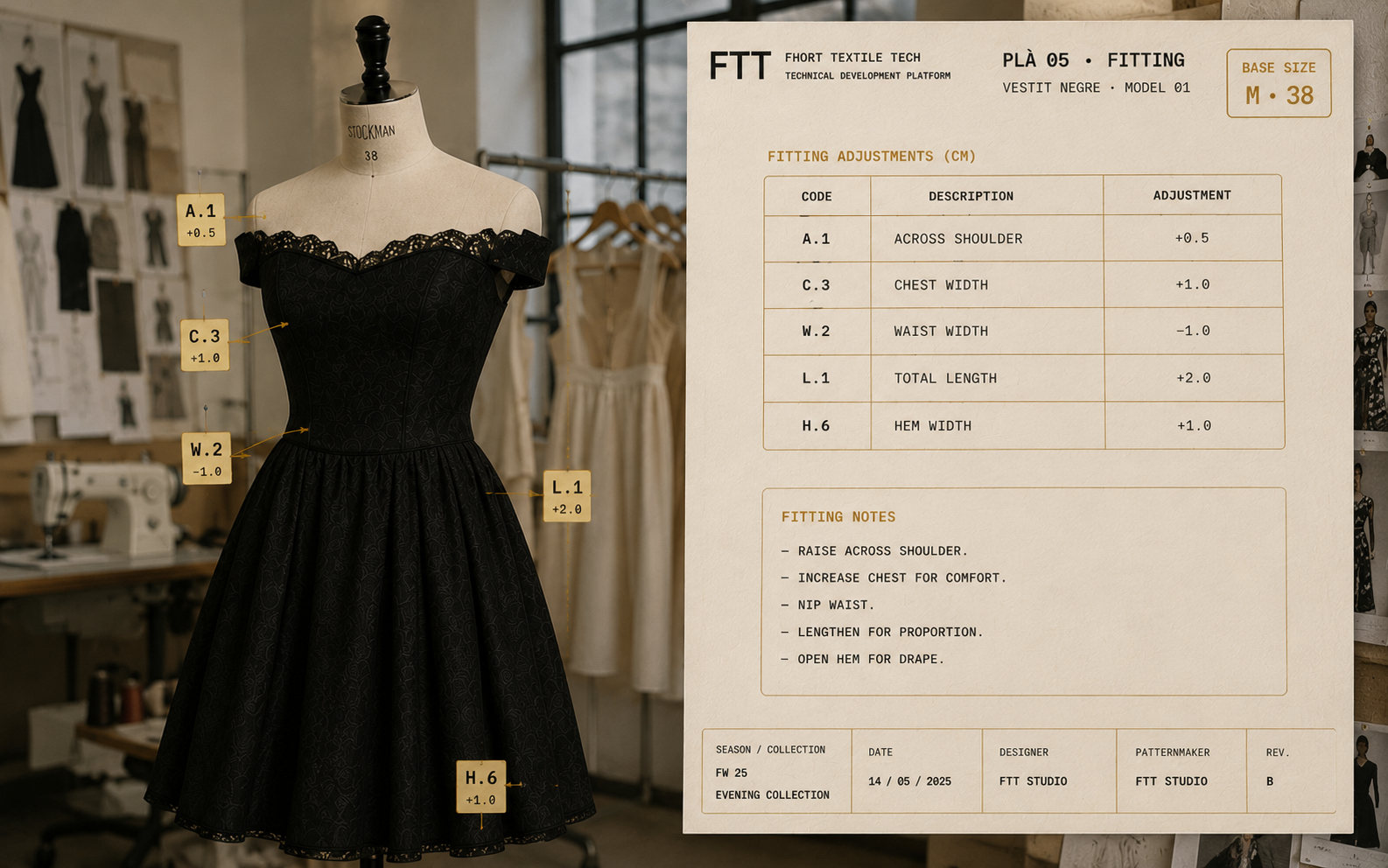
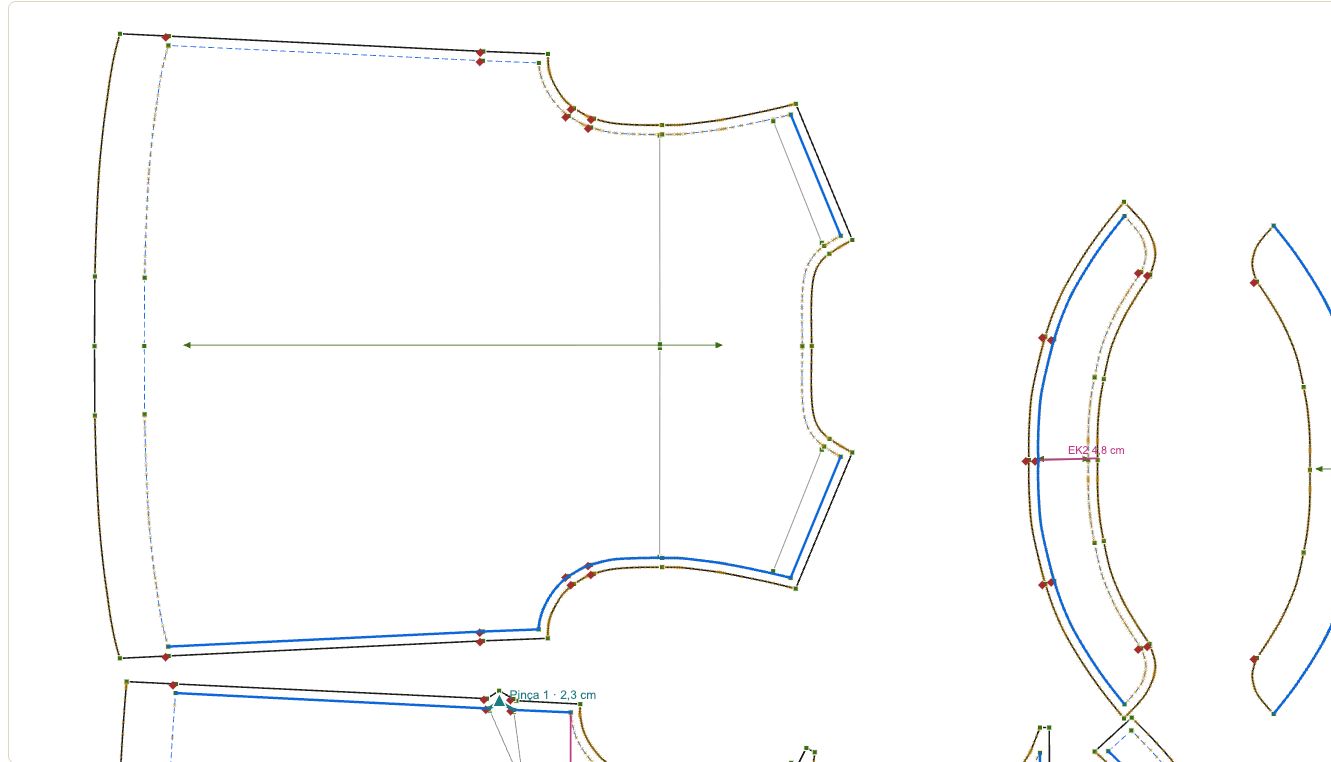
Pattern making Every correction from the fitting room updates the file automatically. POMs, grading rules and fitting history in one place — not split across spreadsheets, emails and memory.
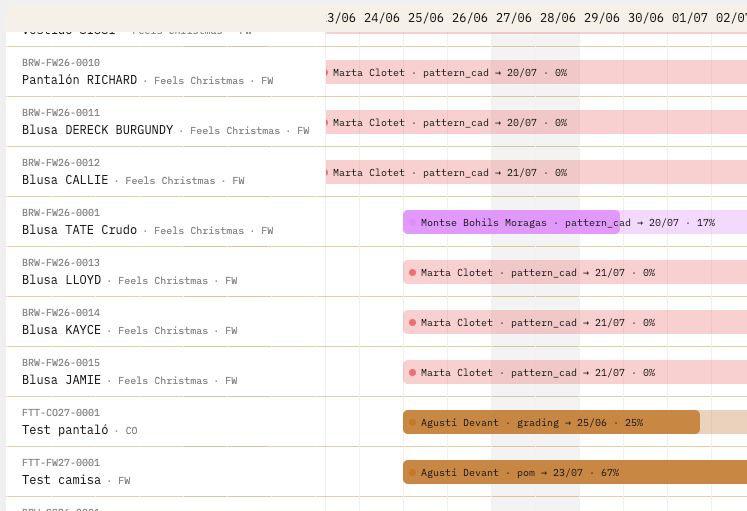
Production & planning No more chasing status. Workload per technician, time tracked automatically — so the date you commit to is calculated from what’s actually in the queue, not from what people say they’ll finish.
Management You see which styles are at risk before they miss the deadline. Cost per collection calculated from real development time — not from what the team reports at season-end.
Studios Quote per client, deliver per style, invoice on actual time. One platform for all your brands — each account isolated and the spec locked before work starts.

IT Nothing to install, nothing to host. Each client runs in its own isolated environment — your data stays yours, exportable anytime, with no lock-in.
The loop
From fitting to pattern. Without retyping a single value.
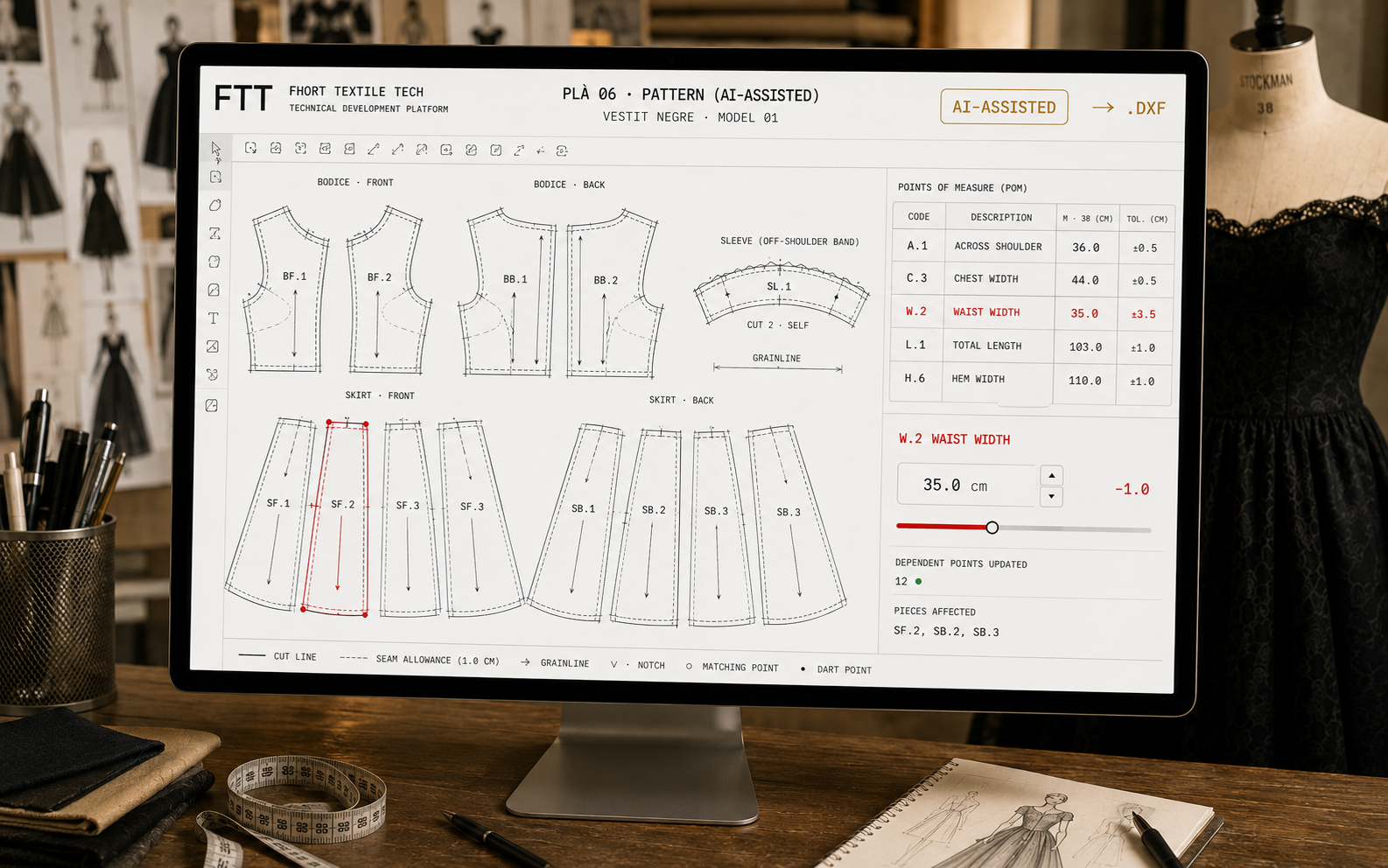
Fitting corrections flow into the model. The graded pattern is regenerated — deterministic geometry, reviewed by your technician — and exported in your CAD’s format. FTT doesn’t draw: your CAD does. FTT adjusts, parameterizes, and keeps its own layer inside the DXF without touching yours. No other system in the industry handles this workflow end to end.
Not a PLM
The layer PLMs don’t see.
Traditional PLM manages the product record. FTT engineers the product: measurements, grading, fittings, patterns — the technical development layer where garments are actually made right. They can coexist; they don’t compete.
Free
Free is not a watered-down demo.
No 14-day trial. No read-only mode. No locked features. A real, permanent tenant with the full technical depth of FTT — limited in scale, never in capability. Coming soon.
FAQ
Questions we actually get.
Does FTT replace my CAD (Lectra, Gerber, Tuka)?
No. Your CAD draws; FTT parametrizes and governs the technical data around it. We import and export your DXF, adding our own layer without touching yours.
Is FTT a PLM?
FTT covers the technical development layer PLMs don’t reach. If you run a PLM, FTT sits upstream of it.
How long does onboarding take?
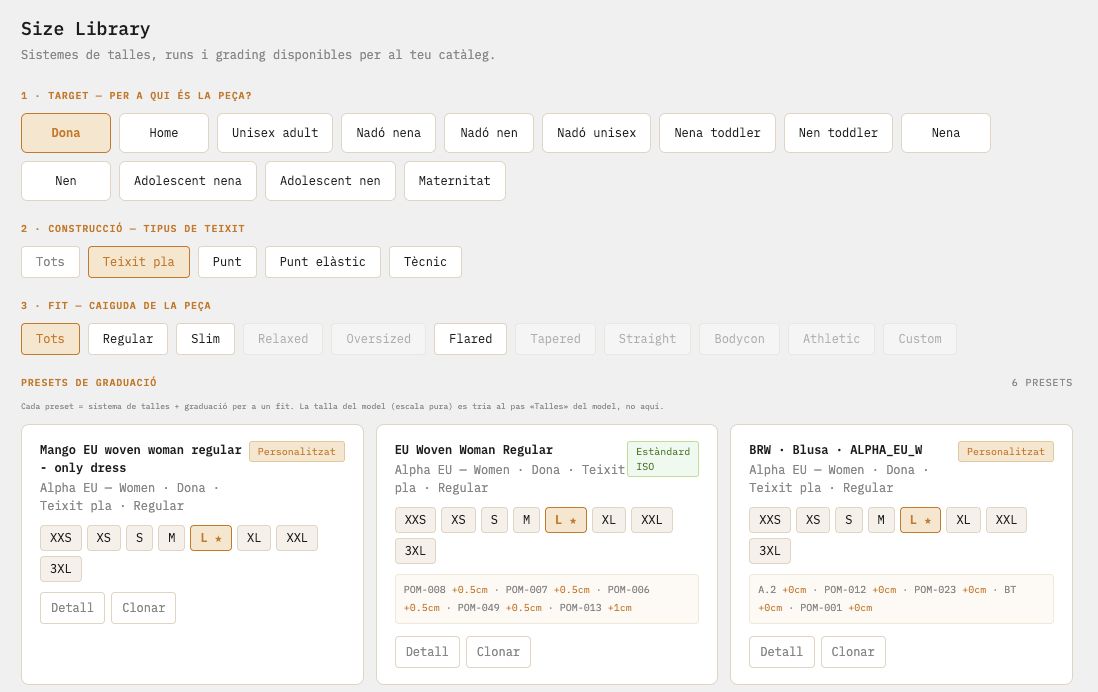
The standard FTT catalog works from day one. Adapting FTT to your own vocabulary, size systems and grading (Technical Mapping) is scoped after a short diagnostic (TMA).
Who owns the data?
You do. Every tenant is isolated at database schema level and exportable in standard formats at any time.
Do you charge per user?
No. Platform fee per company, plus a charge per model started. Extra users are a minor add-on, not the business model.
Can I try it without talking to sales?
That’s the point of the Free tier — coming soon. Meanwhile, book a demo and we’ll show you the loop with your own tech packs.
Talk to us
See the loop with your own tech pack.
Book a demo. We’ll take one of your models from measurement to pattern, live — not dummy data.
Tell us about your project